
Caffeine showdown: Espresso vs Coffee comparison
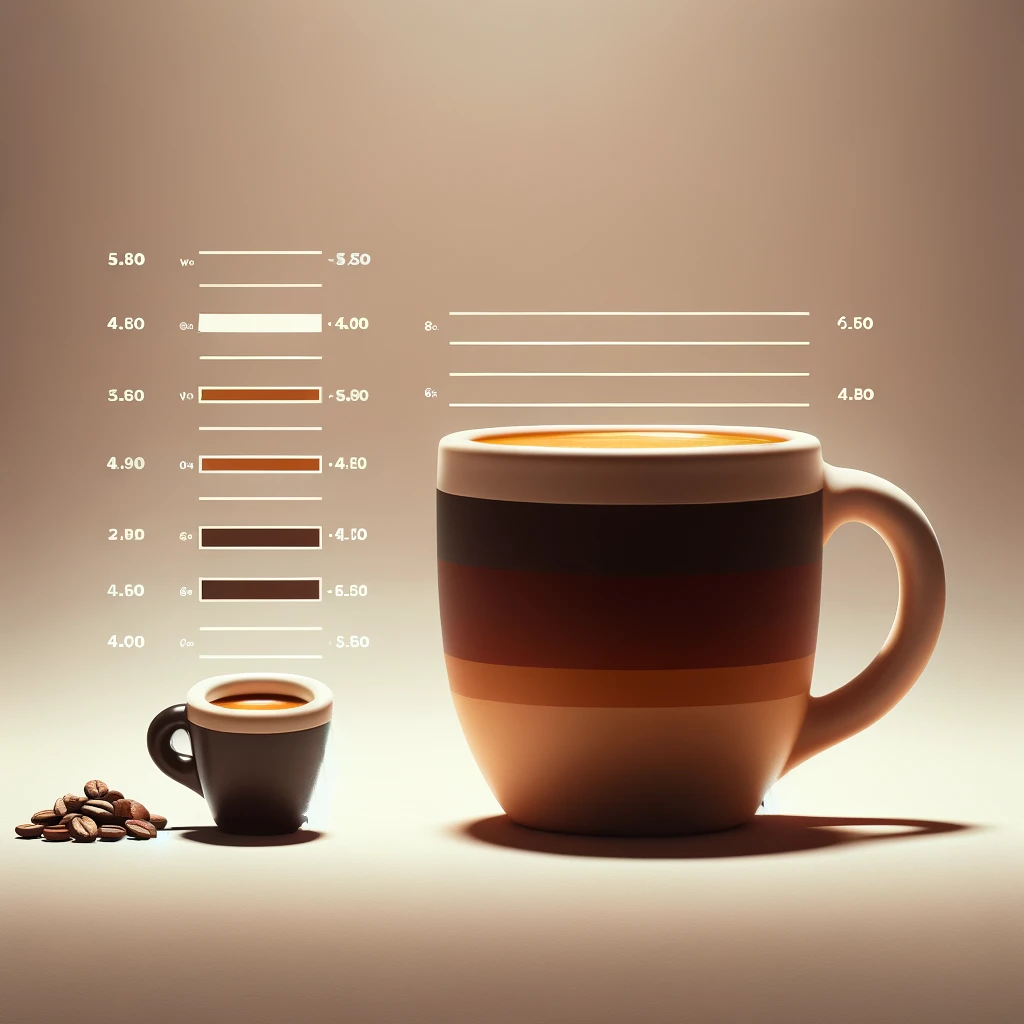
When it comes to getting that much-needed caffeine fix, the debate between espresso and coffee is as steaming as the beverages themselves. Many coffee lovers have pondered whether a shot of espresso packs more caffeine than a regular cup of coffee. With the growing popularity of coffee culture, it's time to debunk some myths and unveil the truth about caffeine in espresso vs coffee.
This article will explore the caffeine content of both espresso and coffee, compare their caffeine levels in different settings, and bust some common misconceptions. Whether you're a steadfast espresso sipper or a devoted drip coffee drinker, understanding the caffeine content can help you make informed decisions about your daily coffee intake.
- Is there more caffeine in espresso or coffee?
- How does Starbucks caffeine in espresso compare to coffee?
- What's the caffeine content in a single espresso shot?
- Can espresso caffeine levels surpass drip coffee?
- Understanding the difference: Espresso vs pourover caffeine
- The myth of caffeine in double espresso – what you need to know
- Further insights: Espresso vs coffee caffeine comparison
- Related questions on caffeine in espresso and coffee
Is there more caffeine in espresso or coffee?
Contrary to popular belief, espresso does not necessarily contain more caffeine than drip coffee. When measured by volume, espresso does have a higher concentration of caffeine. A typical shot of espresso has about 63 milligrams of caffeine, while a standard 8-ounce cup of coffee contains roughly 95 milligrams. However, since espresso servings are much smaller, you actually end up with less caffeine overall.
Espresso's reputation for high caffeine content comes from its concentrated nature. The brewing process for espresso is quick and uses less water, which results in a small, potent shot. On the other hand, coffee is brewed for longer, allowing more water to dilute the caffeine concentration.
The type of coffee beans used can also affect caffeine levels. Robusta beans tend to have more caffeine than Arabica, and since espresso is often made with a blend that can include Robusta, it may seem stronger. However, the choice of beans for drip coffee varies widely and can impact the caffeine content just as much.
Ultimately, the amount of caffeine you consume depends on the size of your espresso or coffee. If you drink multiple shots of espresso or a large cup of coffee, your caffeine intake could surpass the other.
Whether it's espresso or drip coffee, moderation is key. Overconsumption of caffeine can lead to restlessness, anxiety, heart palpitations, and sleep disturbances. So, enjoy your favorite brew responsibly!
How does Starbucks caffeine in espresso compare to coffee?
Starbucks, a global coffeehouse chain, offers a variety of coffee and espresso-based drinks, each with its own caffeine profile. On average, Starbucks espresso contains slightly more caffeine per shot than their standard drip coffee per ounce. However, because their coffee servings are larger, a full cup of Starbucks coffee often contains more caffeine in total than a single shot of espresso.
For instance, a single shot of Starbucks espresso contains about 75 milligrams of caffeine, while a tall (12-ounce) brewed coffee offers about 260 milligrams. This illustrates that although espresso is more concentrated, the total caffeine content is less than that of a typical cup of coffee.
It's worth noting that Starbucks espresso drinks can vary in caffeine depending on the number of espresso shots used. A grande latte, for example, typically has two shots. Therefore, these beverages can quickly climb in total caffeine content depending on their size and the number of shots.
For those tracking their caffeine intake, Starbucks provides detailed nutritional information on their website and in their stores, making it easier for customers to make informed decisions about their orders.
Whether you're grabbing a quick solo espresso or settling in with a grande drip coffee, knowing the caffeine content can help you decide how to best enjoy your Starbucks experience without overdoing it.
What's the caffeine content in a single espresso shot?
A single espresso shot is generally 1 ounce (30 milliliters) and typically contains about 63 milligrams of caffeine. This amount can vary slightly depending on the coffee bean variety and the specifics of the brewing method. The grind size, brewing time, and water temperature can all influence the extraction process and, consequently, the caffeine content.
Although a single espresso shot contains less caffeine than a full cup of coffee, its small size makes it a highly concentrated source of caffeine. This is why espresso has a reputation for being a quick and powerful caffeine kick.
However, it's worth considering that many espresso-based drinks contain more than one shot. A double shot, or doppio, is commonly used in American coffee shops, effectively doubling the caffeine content.
For those who are sensitive to caffeine or trying to manage their intake, it's helpful to know how many shots are in your favorite espresso beverage and to adjust your consumption accordingly.
The art of espresso brewing has evolved, and today's baristas can make a range of drinks that modify the caffeine content. Whether you prefer a classic shot or a more elaborate concoction, espresso offers a versatile foundation for a variety of coffee experiences.
Can espresso caffeine levels surpass drip coffee?
While a single espresso shot has more caffeine per ounce than drip coffee, it's rare for the caffeine levels in espresso to surpass those in drip coffee when comparing typical serving sizes. A large cup of coffee can easily contain more total caffeine simply because there is more of it.
Drip coffee typically offers a longer-lasting caffeine experience, which might be preferred for those who enjoy sipping their coffee over a longer period. The brewing technique for drip coffee allows for greater caffeine extraction due to prolonged contact between the water and the coffee grounds.
Espresso, by contrast, is brewed quickly under pressure, which creates a concentrated shot with a strong flavor and a robust caffeine presence. However, unless one consumes several shots of espresso in a short timespan, it is unlikely that the caffeine intake will exceed that of drip coffee.
It's all about the quantity: a person drinking multiple espresso shots throughout the day could end up consuming more caffeine than someone who has just one cup of drip coffee in the morning.
Caffeine sensitivity varies from person to person, so it's essential to be aware of how your body reacts to different amounts and to adjust your intake accordingly.
Understanding the difference: Espresso vs pourover caffeine
Espresso and pour-over coffee are two popular methods of brewing, but they differ significantly in terms of caffeine content and flavor profile. Espresso is known for its bold, rich flavor and creamy consistency, while pour-over coffee is celebrated for its clean taste and nuanced flavors.
The caffeine content in a standard espresso shot is usually higher than that in an equivalent volume of pour-over coffee. This is because the pressure involved in espresso extraction results in a more concentrated beverage. Pourover, on the other hand, relies on gravity and a longer brewing time, leading to a less concentrated, but potentially more flavorful, cup.
Many coffee aficionados appreciate pour-over coffee for its ability to highlight the unique characteristics of different coffee beans. The slow and precise brewing process allows for a more exact control over the flavor extraction, which can be ideal for single-origin coffees and light roasts.
While pour-over coffee is typically lower in caffeine per ounce compared to espresso, the typical serving sizes can make up for this difference. A full cup of pour-over coffee may still contain a comparable amount of caffeine to a shot of espresso.
Ultimately, whether you prefer the intensity of espresso or the subtlety of pour-over, understanding how each brewing method affects caffeine content can help you enjoy your coffee to the fullest.
The myth of caffeine in double espresso – what you need to know
There is a common misconception that a double espresso, or 'doppio,' contains twice the caffeine of a single shot. While it's true that a double espresso has more caffeine, the actual content can vary. Some believe that a double shot simply doubles the caffeine, but the relationship between volume and extraction is not always linear.
Brewing a double espresso involves using more coffee grounds and slightly more water, which can affect the extraction rate of caffeine. The result is that a double espresso may have less than double the caffeine of a single shot, though it will generally have significantly more than a single espresso.
Understanding how caffeine content scales with espresso shots can help you moderate your intake, especially if you're prone to ordering larger espresso-based drinks. This knowledge is also useful for home baristas who are experimenting with different brewing ratios and techniques.
A double espresso is also affected by the type of bean, the grind size, and the machine's pressure settings. It's important to consider these factors when determining the caffeine content of your espresso drinks.
In the end, while a double espresso does have more caffeine than a single shot, the exact amount can vary. As with all coffee drinks, it's essential to enjoy them in moderation and to be mindful of your personal caffeine sensitivity.
Further insights: Espresso vs coffee caffeine comparison
Beyond the basic comparison of caffeine content in espresso and coffee, there are several factors to consider when choosing your ideal coffee experience. These include the flavor intensity, the duration of the caffeine effect, and the overall coffee culture and lifestyle associated with each beverage.
Espresso is often favored for its quick delivery of caffeine and its cultural connotations of sophistication and authenticity in the coffee world. Conversely, coffee, particularly in its various brewed forms, is associated with comfort, tradition, and the enjoyment of a leisurely cup.
Both espresso and coffee offer rich traditions and rituals, with diverse preparations that cater to cultural tastes and individual preferences. The choice between espresso and coffee often comes down to personal preference and the context in which you enjoy your caffeine.
Whether you're looking for a fast jolt of energy from an espresso or a gradual awakening with coffee, both beverages have their place in the wide world of caffeine. As you sip your preferred brew, remember that the best cup is the one that suits your taste, suits your caffeine needs, and brings you the most enjoyment.
Is espresso stronger in caffeine than coffee?
Espresso is often perceived as stronger due to its concentrated form and bold taste. However, when it comes to the actual caffeine content, espresso is stronger by volume but not necessarily by serving size. A typical espresso shot contains more caffeine per ounce than a regular cup of coffee, but since espresso servings are smaller, you may end up consuming less caffeine overall.
It's also worth considering how the brewing process affects caffeine extraction. The quick and high-pressure method of making espresso results in a potent shot, whereas the longer brewing time of coffee allows for more caffeine to be extracted overall. This can make a full cup of coffee stronger in caffeine content than a single shot of espresso.
How many espresso shots equal a cup of coffee caffeine?
On average, one double shot of espresso is roughly equivalent to the caffeine content in an 8-ounce cup of coffee. However, this can vary based on factors such as the type of coffee bean and the extraction method. To match the caffeine content of a standard cup of coffee, you would typically need one and a half to two espresso shots.
Keeping this comparison in mind can be useful when deciding on your coffee order or when brewing at home. It's always good to stay informed about the caffeine levels in your favorite coffee drinks, especially if you're sensitive to caffeine or trying to manage your intake.
Is it better to drink espresso or coffee?
The choice between espresso and coffee is largely a matter of personal preference. Espresso offers a concentrated dose of caffeine with a strong flavor, making it ideal for those seeking a quick energy boost or who enjoy a more robust coffee taste. On the other hand, coffee provides a more prolonged and milder experience, which might be preferable for sipping leisurely over time.
Both espresso and coffee have their unique benefits and appeal, depending on what you're looking for in a caffeine source. Consider your taste preferences, desired caffeine impact, and the occasion when choosing between these two popular coffee options.
Is 200 mg of caffeine a lot?
While 200 mg of caffeine is considered a moderate amount for most adults, it's essential to consider individual tolerance levels. This amount is roughly equivalent to two standard 8-ounce cups of coffee and falls within the daily recommended limit of 400 mg for healthy adults.
As caffeine sensitivity can vary, it's important to monitor how your body reacts to different amounts of caffeine and to make adjustments based on your personal health and well-being. Always listen to your body and consult with health professionals if you have concerns about your caffeine consumption.
Now that you have a clearer picture of the caffeine content in espresso vs coffee, it's time to enjoy your preferred brew with newfound knowledge and appreciation. Whether you're an espresso enthusiast or a coffee connoisseur, understanding the caffeine in your cup can enhance your drinking experience and help you maintain a healthy balance.
For more visuals and a deeper dive into the world of caffeine in espresso and coffee, check out this informative video:
Leave a Reply
Related Post