
Can you put coffee grounds in the garbage disposal without clogs?
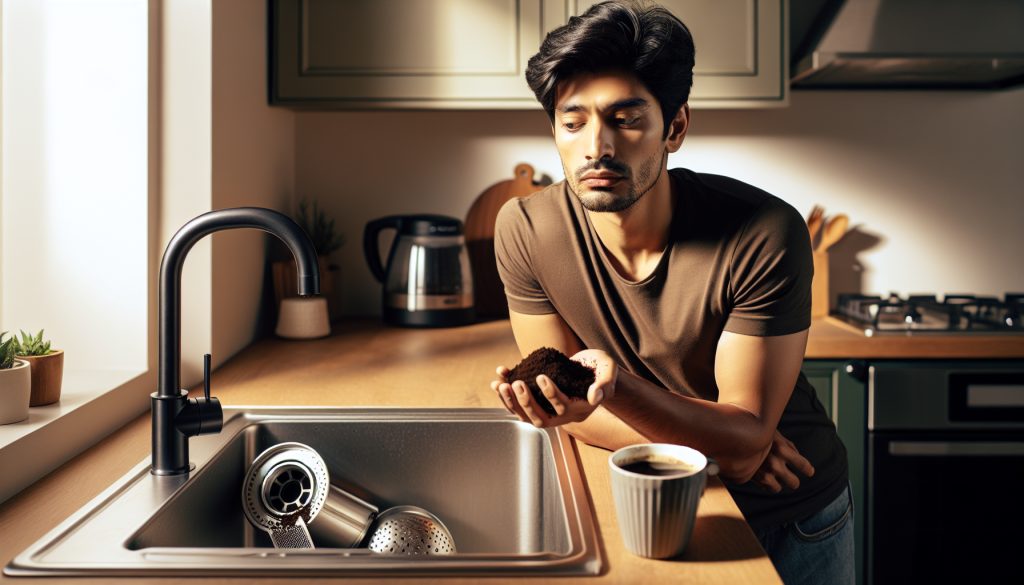
Have you ever wondered, "can you put coffee grounds in the garbage disposal?" While brewing a pot of coffee is a morning ritual for many, disposing of the leftover grounds can be a source of confusion. The disposal might seem like a convenient place to dump them, but it's important to understand the potential consequences.
Many believe that tossing coffee grounds down the sink is harmless. However, doing so can lead to clogs and other plumbing issues. In this article, we'll explore the reasons why coffee grounds and garbage disposals don't mix well, and provide you with better alternatives for disposing of your coffee grounds.
- What happens if you put coffee grounds down the sink?
- Why you shouldn't put coffee grounds in the garbage disposal
- What to do if your garbage disposal drain gets clogged
- How to properly dispose of coffee grounds
- Common causes of garbage disposal clogs
- Tips for maintaining a clear garbage disposal
- Questions Related to Coffee Grounds and Garbage Disposal
What happens if you put coffee grounds down the sink?
When coffee grounds are put down the sink, they can accumulate in the pipes. Over time, this build-up can solidify, causing blockages that are difficult to clear. The coffee grounds can also combine with other substances, such as grease and soap, creating a sticky, dense mass that further complicates the blockage.
Plumbing experts agree that coffee grounds are one of the leading causes of kitchen drain blockages. This is because, unlike most liquid waste, coffee grounds don't break down easily with water. Instead, they tend to settle and clump together, posing a significant risk to your kitchen plumbing system.
Furthermore, the impeller blades in your garbage disposal, designed to break up food scraps, are not effective against coffee grounds. Their granular nature means they can easily slip through the blades, leading to accumulation and eventual clogs.
Why you shouldn't put coffee grounds in the garbage disposal
Although garbage disposals are robust and can handle many types of food waste, coffee grounds can be deceivingly damaging. Their texture may dull the impeller blades over time and reduce the efficiency of your disposal unit.
Moreover, coffee grounds can contribute to unpleasant odors emanating from your sink. As they decompose, they can release foul-smelling compounds that are not easy to wash away. The issue can be exacerbated if the grounds trap other food particles within the disposal unit.
Another reason to avoid putting coffee grounds in your garbage disposal is the potential cost of repairs. Blockages may require the services of professional plumbing services like Mr. Rooter Plumbing, which might be an unexpected expense you want to avoid.
What to do if your garbage disposal drain gets clogged
If you find yourself with a clogged garbage disposal drain after disposing of coffee grounds, there are a few steps you can take. First, try running hot water down the drain to soften the clog. You can also use a plunger to attempt to dislodge the blockage.
For a more direct approach, you can turn off the power to the disposal unit and use tongs to remove any visible coffee grounds or other debris. Be sure to never put your hand down the garbage disposal, even when it's turned off.
If the clog persists, a mixture of vinegar and baking soda can be an effective natural remedy. Pour half a cup of baking soda down the drain, followed by half a cup of vinegar. Wait for the fizzing reaction to subside and rinse with hot water.
How to properly dispose of coffee grounds
- Compost them: Coffee grounds make excellent compost material as they are rich in nitrogen, which helps break down organic matter.
- Use them in your garden: Sprinkle coffee grounds around your plants to improve soil quality and deter pests.
- Throw them in the trash: If composting is not an option, the simplest way to dispose of coffee grounds is by throwing them in the garbage.
Common causes of garbage disposal clogs
Aside from coffee grounds, there are several other items that should not be put into a garbage disposal. These include fibrous foods like celery and banana peels, eggshells, grease, and pasta. These substances can bind together and form clogs similar to those caused by coffee grounds.
It's essential to be mindful of the items you put down your garbage disposal to prevent blockages. Understanding what not to put in a garbage disposal can save you a lot of trouble and maintenance costs in the long run.
Drain fittings and the overall condition of your kitchen plumbing system also play a crucial role in the likelihood of clogs occurring. Regular check-ups and maintenance can help identify potential issues before they become serious problems.
Tips for maintaining a clear garbage disposal
To keep your garbage disposal running smoothly, follow these best practices for garbage disposal maintenance:
- Regularly run cold water through the disposal to help flush out any remaining food particles.
- Avoid disposing of problematic substances like oils, grease, and coffee grounds.
- Use a natural cleaner like vinegar and baking soda monthly to keep it clean and odor-free.
- Sharpen the blades by running ice cubes through the disposal, which can help clear out any residue.
By following these tips and knowing how to prevent clogs in kitchen sinks, you can ensure the longevity and efficiency of your garbage disposal unit.
Now, let's explore some related inquiries:
Is it okay to throw coffee grounds down the garbage disposal?
It is not recommended to throw coffee grounds down the garbage disposal. While they may seem harmless, coffee grounds can accumulate and lead to garbage disposal clogs. It's important to use safe disposal methods for coffee grounds such as composting or discarding them in the trash.
Over time, consistent disposal of coffee grounds in your sink can lead to costly maintenance and the need for professional plumbing services to resolve the issue. Therefore, it's best to avoid this practice altogether.
Do coffee grounds clog your drain?
Yes, coffee grounds can clog your drain by sticking to the sides of your pipes and trapping other waste that goes down the drain. This can create a stubborn blockage that might require professional intervention to clear. The best way to handle coffee grounds disposal is to keep them out of your kitchen sink and plumbing system.
Proper disposal of coffee grounds is critical for maintaining a healthy plumbing system. If you've accidentally put coffee grounds down the drain, be vigilant about clearing them out as soon as possible to avoid clogs.
How should you dispose of coffee grounds?
The safest and most eco-friendly way to dispose of coffee grounds is by adding them to your compost bin. If you don't compost, you can still benefit your garden by using coffee grounds as fertilizer or by simply throwing them away with your regular garbage.
Remember that the safe disposal methods for coffee grounds greatly contribute to keeping your kitchen drains clear and preventing unnecessary plumbing issues.
Should eggshells be put in garbage disposal?
Eggshells are another common kitchen waste that should be handled with care. It's a myth that eggshells can sharpen the blades of your garbage disposal. In reality, the membrane layers of eggshells can stick to the impeller blades and contribute to clogs. Like coffee grounds, it's best to avoid putting eggshells in your garbage disposal.
Instead, you can include eggshells in your compost bin, where they will break down naturally and enrich the soil with calcium. If you don't compost, discarding them in the trash is a better option than risking a clogged disposal.
If you're looking for more information on how to maintain your garbage disposal and prevent clogs, check out this helpful video:
In conclusion, while it might be tempting to use your garbage disposal for all kitchen waste, being selective and cautious about what you put down there is key. Stick to proper coffee grounds disposal practices such as composting or trashing, and follow regular maintenance routines to keep your disposal unit and plumbing in top shape. This will not only save you the hassle of dealing with clogs but also protect the environment and the efficiency of your kitchen disposal system.
Leave a Reply
Related Post