
Uncovering the origins: where do coffee beans come from?
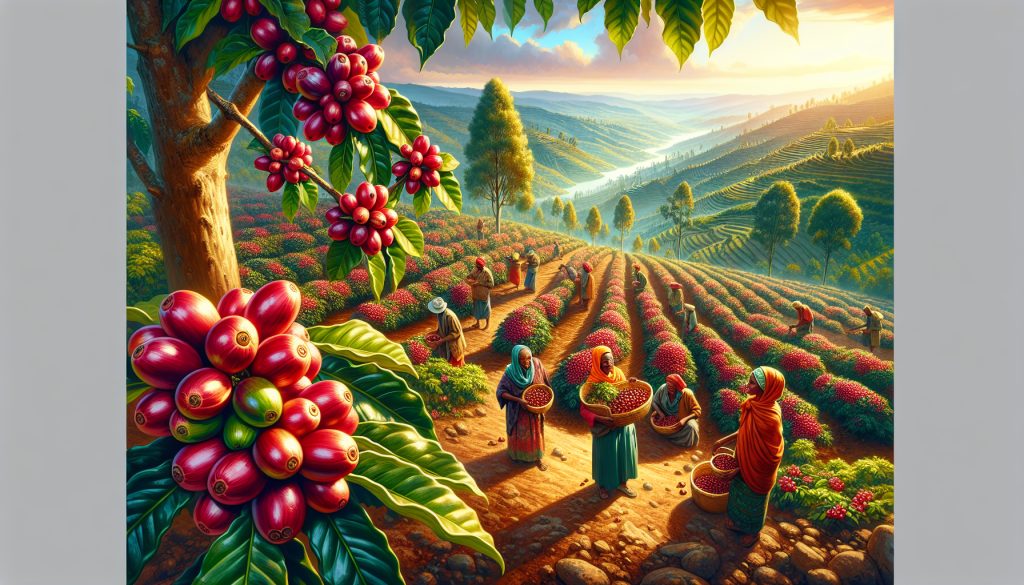
The journey of coffee beans is a fascinating global trek that spans continents and cultures. With each sip of coffee, we're connecting with a rich tapestry of history, agriculture, and trade routes that have developed over centuries. But where do coffee beans come from? In the simplest terms, they originate from the "bean belt," yet their story is far more complex and intriguing than that.
Understanding the origins of coffee beans is not just about pinpointing a location on a map; it's about exploring a whole world of flavors, traditions, and processes that contribute to the beloved beverage that powers our days. Let's embark on an exploration to uncover the global journey of coffee beans and their incredible transition from plant to cup.
- What is the bean belt and why is it essential?
- How are coffee beans harvested and processed?
- Which countries are the largest producers of coffee?
- What role does climate play in coffee production?
- How do coffee cherries transform into beans?
- Are coffee beans really linked to animal poop?
- Related questions about coffee bean origins
What is the bean belt and why is it essential?
The term "bean belt" refers to the equatorial zone between the Tropic of Cancer and the Tropic of Capricorn. This area provides the ideal conditions for coffee cultivation, including consistent temperatures, ample rainfall, and fertile soils. Truly, the bean belt is the lifeline of the coffee industry, nurturing the plants that produce the world's supply of coffee beans.
Within the bean belt, diverse ecosystems and microclimates contribute to a variety of coffee flavors and characteristics. For instance, the rich volcanic soil of Guatemala can produce a coffee that is markedly different from the beans grown in the mineral-rich soils of Ethiopia. This biodiversity is not only essential for the flavor profile of coffee but also for the sustainability of coffee farming practices.
As coffee enthusiasts explore the diverse origins of world-renowned coffee beans, they often find themselves marveling at the intricate web of environmental factors that influence the final product. Altitude, shade, and even the type of plant all play a role in the development of each bean's unique taste.
How are coffee beans harvested and processed?
Harvesting and processing coffee beans is an art in itself. The process begins when the coffee cherries reach peak ripeness, often indicated by a bright red color. These cherries can be picked by hand or through mechanical means, depending on the plantation's size and the terrain.
After harvesting, the cherries undergo processing to extract the beans. There are two primary methods: the dry method, where cherries are laid out in the sun to dry before the beans are removed, and the wet method, which involves removing the pulp from the cherry and then fermenting the beans to remove the mucilage. Each method imparts different qualities to the beans and is chosen based on the desired flavor profile and local resources.
Following processing, the beans are sorted, graded, and often tested for quality. They are then roasted to various degrees depending on how they will be used. The roasting process is where coffee's journey from exotic cherries to your morning brew truly culminates, transforming the green seeds into the aromatic brown beans that are ground and brewed into coffee.
Which countries are the largest producers of coffee?
Brazil stands as the world's largest coffee producer, a title it has held for over 150 years. The vast country provides ideal growing conditions for coffee plants, particularly in regions like Minas Gerais and São Paulo. However, Brazil is not alone in its coffee production prowess.
Other major players in the coffee industry include Vietnam, known for its robusta beans, and Colombia, which has built a reputation around its high-quality arabica beans. Ethiopia, the birthplace of coffee, continues to be a significant producer, offering beans with unique flavors that reflect the country's diverse climates and topography.
The cultural and geographic tapestry of coffee bean production is vast, with countries like Indonesia, Honduras, and Uganda also contributing significant amounts to the global coffee market. Each country's contribution showcases the importance of coffee to their economies and cultures, and often, their dedication to sustainable and ethical production methods.
What role does climate play in coffee production?
The climate is paramount in coffee production. The bean belt's tropical climates provide the warmth and moisture necessary for coffee plants to thrive. However, coffee plants are also sensitive to changes in their environment, making them vulnerable to the effects of climate change.
Temperature fluctuations, unpredictable rainfall, and extreme weather events can all impact coffee yields and quality. For example, excessive rain can lead to fungal diseases like coffee leaf rust, while drought can stress the plants, leading to reduced bean size and flavor quality.
Understanding the intricate relationship between climate and coffee production has led many farmers to adopt practices sostenibles in an effort to mitigate environmental risks. These practices not only help protect their livelihoods but also contribute to the preservation of the ecosystems that support coffee cultivation.
How do coffee cherries transform into beans?
Coffee cherries are the fruit of the coffee plant, and inside each cherry lie one or two seeds, which we know as coffee beans. The transformation process from cherry to bean involves several crucial steps, starting with the maturation of the cherry to the right color – usually red or yellow.
Once harvested, the cherries are processed to remove the outer fruit layers, leaving the beans behind. The beans are then dried to a specific moisture content, which can be done under the sun or using mechanical dryers. This drying stage is essential, as improper drying can lead to mold or inferior quality beans.
The journey of coffee beans is punctuated by careful attention to detail throughout the harvesting and drying processes. The beans are constantly monitored for quality and taste before they are hulled to remove the final layers of dried fruit or parchment and prepared for export.
Are coffee beans really linked to animal poop?
Yes, in some cases, coffee beans are indeed linked to animal poop, but not in the way you might initially think. The world's most expensive coffee, Kopi Luwak, is produced from beans that have been eaten and excreted by a civet – a small mammal found in Southeast Asia.
The civet's digestive enzymes are said to ferment the beans, resulting in a coffee that is smoother and less acidic. However, this unique method of production has led to ethical concerns regarding the treatment of civets, prompting coffee aficionados to seek out ethically sourced alternatives.
While Kopi Luwak is an extreme example, it serves to illustrate the intriguing history and evolution of coffee cultivation. Whether it involves traditional harvesting methods or innovative new processes, the production of coffee beans is a blend of the classic and the contemporary.
Where do coffee beans originate?
Coffee beans have their origins in Ethiopia, within the region known as the Horn of Africa. This country's diverse landscapes and unique coffee varieties have earned it a revered place in the heart of coffee connoisseurs.
The tale of coffee's discovery in Ethiopia involves an observant goat herder who noticed the energizing effects the beans had on his goats. This anecdote, while perhaps apocryphal, captures the sense of wonder and serendipity that surrounds coffee's history.
Where do coffee beans naturally grow?
The "coffee belt" is where coffee beans naturally grow, benefiting from a combination of warm temperatures, consistent rainfall, and the right altitude. These regions create a nurturing environment for coffee plants to flourish year-round.
This belt hosts a variety of coffee-producing countries, each with its own signature bean profiles influenced by the local climate and soil conditions. Such diversity ensures that coffee lovers can enjoy a range of flavors from around the world.
Do coffee beans come from cherry trees?
It's a common misconception that coffee beans come from trees. In reality, the coffee plant is a flowering shrub, and the beans are the seeds of its fruit, commonly referred to as coffee cherries. These shrubs can grow to resemble small trees if not regularly pruned.
The coffee cherries themselves are small and round, and it's within these fruits that the magic of coffee is harbored. When ripe, the cherries are harvested, and their seeds are processed, roasted, and transformed into the beverage millions savor daily.
Do coffee beans grow on trees or bushes?
Coffee beans grow on plants that can be considered either shrubs or small trees, known scientifically as Coffea species. Farmers may cultivate these plants in various forms, manipulating their growth to suit different farming practices and regional conditions.
Whether grown on terraced mountainsides, in shaded forests, or on large plantations, coffee plants require careful management to produce the best quality cherries and, consequently, the best quality beans.
In conclusion, the journey of coffee beans is a global saga that starts in the fertile soils within the bean belt and ends in our cups. This voyage intertwines agriculture, economy, and culture, uniting us in a shared love for this caffeinated wonder. As you enjoy your next cup, ponder the global trek of coffee beans, unveiling their origins and celebrating the journey they've taken to bring joy and energy to our daily lives.
Leave a Reply
Related Post