
Percolator vs French Press: Battle of the Brews
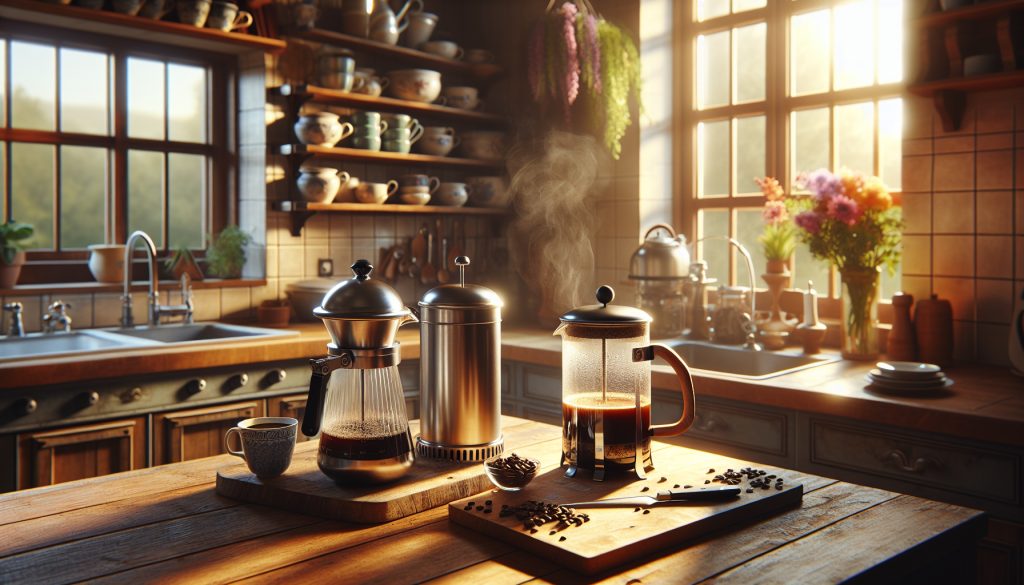
As coffee aficionados debate the merits of various brewing methods, the "percolator vs French press" discussion remains a hot topic. Each method has its loyalists, and for a good reason. In this article, we'll explore key differences to help you decide which coffee maker might be best for your morning ritual.
Differences in taste
When it comes to the taste of your coffee, the brewing method can make all the difference. A French press is known for producing a rich, full-bodied flavor with a complex aroma because the coffee grounds are steeped directly in hot water, allowing the essential oils and fine particles to remain in the final cup. However, this can also result in a bit of sediment.
On the other hand, a percolator often delivers a stronger, bolder brew. The process of cycling boiling water through the grounds can extract a more concentrated flavor. Some coffee enthusiasts argue that this method can lead to over-extraction, resulting in a bitter taste.
Ultimately, if you prefer a smoother, sediment-free cup, a percolator might be your go-to. But for those who enjoy a thicker, more textured coffee, the French press will likely be more appealing.
Differences in brew time
Percolator vs French press brew time is a crucial consideration for those needing a quick caffeine fix. A percolator can brew coffee in about 7 to 10 minutes, depending on the desired strength. Since it's typically used on a stovetop or with an electric base, it's great for making larger quantities quickly.
French presses, however, usually require about 4 minutes of brew time after the water has been heated. While it's a shorter brew time, it's a more involved process, requiring attention to the pouring and steeping process.
So, if time is of the essence in your morning routine, carefully consider which method aligns with your schedule.
Differences in ease of use
The ease of use often sways coffee drinkers in one direction or the other. The French press is relatively straightforward: add coffee grounds, pour hot water, stir, steep, and plunge. However, getting the grind size and timing right is crucial for the perfect brew.
Percolators require less finesse. You fill the chamber with water, add grounds to the basket, and heat. The percolator takes care of the rest, making it a more foolproof option for beginners.
Both methods do require a bit of practice to perfect, but if simplicity is your goal, the percolator may have the edge.
Differences in portability
For coffee lovers on the move, portability is often a determining factor. French presses come in various sizes, including travel-friendly versions that are lightweight and compact. They can be made of glass, plastic, or metal, with the latter two being more durable for transport.
Percolators also come in different sizes and are usually made of metal. They're great for outdoor settings like camping where you can place them directly over a fire. However, they can be bulkier and heavier, making them less ideal for light travel.
When choosing based on portability, consider your type of adventure and how much space you're willing to dedicate to your coffee routine.
Differences in ease of cleaning
Cleaning is an often overlooked but important aspect of coffee brewing. French presses require disassembly to clean the plunger mechanism and the brewing vessel. If not properly cleaned, the leftover oils can affect the taste of subsequent brews.
Percolators, consisting of a pot with a removable basket for grounds, can be easier to clean since there are fewer parts involved. However, they do require regular maintenance to prevent buildup in the tubes and filter basket.
Both methods require commitment to cleaning, but the percolator might save you a few minutes and some elbow grease.
Pros and cons of a percolator
- Pros: Brews coffee quickly, suitable for large quantities, robust flavor, and relatively easy to use.
- Cons: Can result in over-extracted, bitter coffee, heavier and less portable, requires regular maintenance to prevent buildup.
Before selecting your ideal coffee maker, weigh these pros and cons against your personal preferences and coffee-drinking habits.
What is better, a percolator or a French press?
Whether a percolator or a French press is better depends on your taste preferences and brewing priorities. If you value a richer, full-bodied coffee with oils and fine particles, opt for a French press. For a stronger, more traditional cup of coffee, choose a percolator.
Consider how the coffee maker will fit into your lifestyle in terms of brew time, ease of use, and portability. Each has its merits, so the best choice is the one that aligns with your personal preferences.
Why percolated coffee is better?
Some argue that percolated coffee is better because it often yields a hotter and stronger cup of coffee than other methods. The constant cycling of boiling water through the coffee grounds can extract a bolder flavor.
However, 'better' is subjective and depends on personal taste. Some coffee drinkers prefer the smoother taste that other brewing methods, like the French press, can offer.
Why did people stop using percolators?
Percolators were once a staple in many households, but they have become less common as other brewing methods, like drip coffee makers and single-serve pod machines, have gained popularity due to their convenience.
Moreover, the percolator's tendency to over-extract can lead to a bitter taste, which might turn some coffee enthusiasts towards methods that offer more control over the extraction process.
Does anyone use a percolator anymore?
Yes, percolators are still used today, especially among those who appreciate the ritual of traditional coffee brewing or need to make large volumes of coffee. They are also popular among campers and outdoor enthusiasts who require a sturdy, portable coffee maker.
While they may not be the trendiest option, percolators have a dedicated fan base that values their robust, full-flavored coffee.
Choosing between percolator vs French press ultimately comes down to personal preference and practical considerations. Whether you're preparing your morning cup at home or brewing a batch of coffee in the great outdoors, understanding these differences can help you select the right coffee maker for your needs.
For those who want a visual guide to compare these brewing methods, check out this informative video:
Remember, whether you choose a percolator or a French press, the perfect cup of coffee is the one that best suits your taste and lifestyle. Enjoy your brewing journey!
Leave a Reply
Related Post