
Espresso vs cappuccino: Unveiling the taste and texture differences
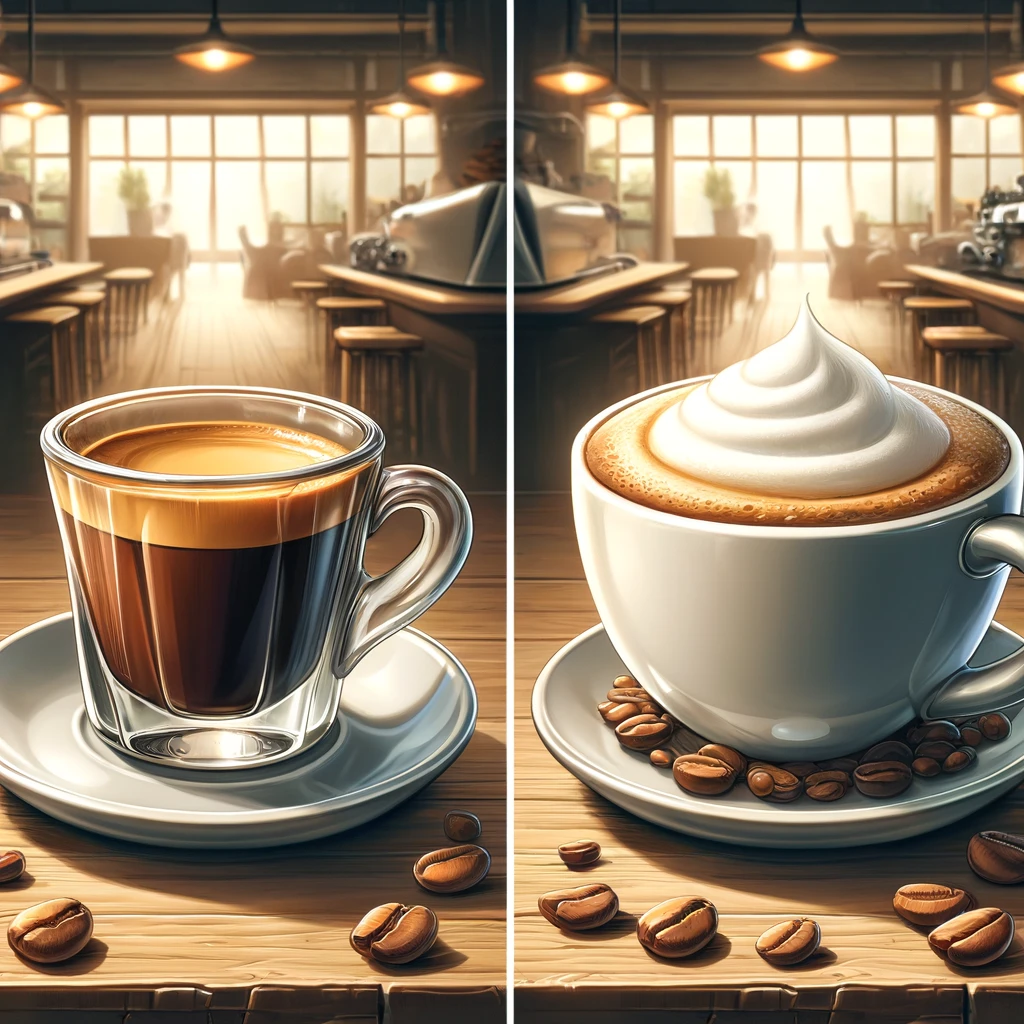
When it comes to Italian coffee drinks, two that often come to mind are espresso and cappuccino. Both beverages are staples in the coffee culture, yet they offer distinct experiences for coffee lovers. The choice between an espresso vs cappuccino comes down to personal preference in flavor, texture, and preparation style.
Understanding the key differences between these coffee drinks can enhance your appreciation and help you decide which fits your taste best. Whether you're a fan of the bold, concentrated taste of espresso or the creamy sweetness of a cappuccino, knowing what sets them apart is essential.
- What are the main differences between espresso and cappuccino?
- How is an espresso made?
- How is a cappuccino made?
- Which has more caffeine: espresso or cappuccino?
- What are the ideal conditions to drink espresso and cappuccino?
- How do espresso machines differ from cappuccino machines?
- Tips for choosing between espresso and cappuccino
- Espresso vs cappuccino: Further questions explored
What are the main differences between espresso and cappuccino?
The main differences between espresso and cappuccino lie in their composition and presentation. An espresso is a concentrated shot of coffee, renowned for its strong flavor and creamy top layer known as crema. Cappuccino, on the other hand, is composed of equal parts espresso, steamed milk, and milk foam, offering a rich and smooth taste with a lighter texture.
While espresso coffee vs cappuccino: real difference is evident in their makeup, the nuances in taste also play a significant role. Espresso offers a pure coffee experience, while cappuccino provides a balance between the sharpness of espresso and the mellow sweetness of milk.
Additionally, the serving size varies; espressos are typically served in small cups, while cappuccinos come in larger portions due to the added milk. This is crucial for those considering the espresso vs cappuccino caffeine content as well.
How is an espresso made?
Creating an espresso involves a specific espresso machine that forces nearly boiling water through finely-ground coffee beans packed into a portafilter. The high pressure extracts the coffee quickly, resulting in a small, concentrated shot typically served in a demitasse cup.
The process emphasizes the bean's natural flavors, often resulting in a bold and slightly bitter taste with a distinctive crema on top. Espresso often serves as the foundation for many other coffee drinks, including the cappuccino.
How is a cappuccino made?
A cappuccino is made by starting with a single or double shot of espresso, then adding an equal part of steamed milk, and topping it off with a layer of frothy, airy milk foam. This creates a smooth, velvety texture and a rich flavor profile that combines the intensity of espresso with the creamy nature of milk.
Often, baristas will create art on the surface of the foam, making the cappuccino not only a pleasure to taste but also a treat to the eyes. The key to a perfect cappuccino lies in the quality of the espresso shot and the skill in frothing milk to achieve the right consistency and temperature.
Which has more caffeine: espresso or cappuccino?
Contrary to common belief, espresso vs cappuccino caffeine content may not be as different as one might think. An espresso shot contains a higher concentration of caffeine per ounce, but because cappuccinos contain more milk and are served in larger sizes, the total caffeine content can be quite similar.
If you're concerned about caffeine intake, it's important to consider the number of espresso shots used in your cappuccino. However, for a standard serving, the difference may be minimal.
What are the ideal conditions to drink espresso and cappuccino?
Espresso is often enjoyed as a quick pick-me-up throughout the day, especially in Italy where it originated. Its small size and concentrated flavor make it ideal for a rapid caffeine boost. Morning or after meals are common times for an espresso.
Cappuccinos, with their combination of milk and coffee, are traditionally considered a morning beverage. The milk content makes them more filling, hence they are often accompanied by breakfast pastries. However, personal preferences do vary, and some may enjoy a cappuccino at any time of day.
How do espresso machines differ from cappuccino machines?
While espresso vs cappuccino machines may seem similar, they have some differences tailored to the specific needs of each drink. An espresso machine focuses on delivering high pressure to extract the coffee shot, while machines designed for cappuccino often include built-in features for steaming and frothing milk.
Modern coffee machines may offer both functionalities, allowing coffee enthusiasts to prepare both drinks at home. The choice between the two types of machines often depends on personal preference and the desired features for making a variety of coffee drinks.
Tips for choosing between espresso and cappuccino
When deciding whether to pick an espresso or a cappuccino, consider your taste preferences. For a bold, concentrated coffee flavor, opt for an espresso. If you prefer a softer, milkier coffee drink, then a cappuccino is for you.
Another factor to consider is the time of day and whether you're looking for a quick caffeine shot or a more leisurely coffee experience. Espressos are great for an afternoon boost, while cappuccinos are perfect for a relaxing morning start.
Espresso vs cappuccino: Further questions explored
Is a cappuccino stronger than an espresso?
When comparing the strength of espresso vs cappuccino, it's crucial to clarify what 'stronger' means. If we're talking about the flavor, espresso is indeed stronger and more concentrated. However, in terms of caffeine content, as mentioned earlier, the difference may be negligible depending on the serving size.
Which is better cappuccino or latte or espresso?
Choosing between a cappuccino, latte, or espresso ultimately comes down to personal preference. A latte offers a creamier and milder taste than a cappuccino due to more steamed milk and less foam. Espresso is for those who prefer a more intense, pure coffee taste.
Is cappuccino just espresso with milk?
Yes, a cappuccino is essentially an espresso with added steamed milk and milk foam. But it's the specific ratio and the preparation technique that differentiates it from other espresso-based drinks.
When should I drink espresso vs cappuccino?
Typically, espresso is consumed for a quick, intense coffee experience, often after meals or as a morning ritual. Cappuccinos, due to their milk content, are more commonly enjoyed in the morning or when one desires a longer, more leisurely coffee drinking experience.
Both espresso and cappuccino have their unique appeal and characteristics. By understanding their differences in taste, texture, and preparation, coffee enthusiasts can more fully appreciate each drink and make an informed choice suited to their personal taste and mood.
Leave a Reply
Related Post