
Cappuccino vs. Macchiato: Understanding the Real Differences
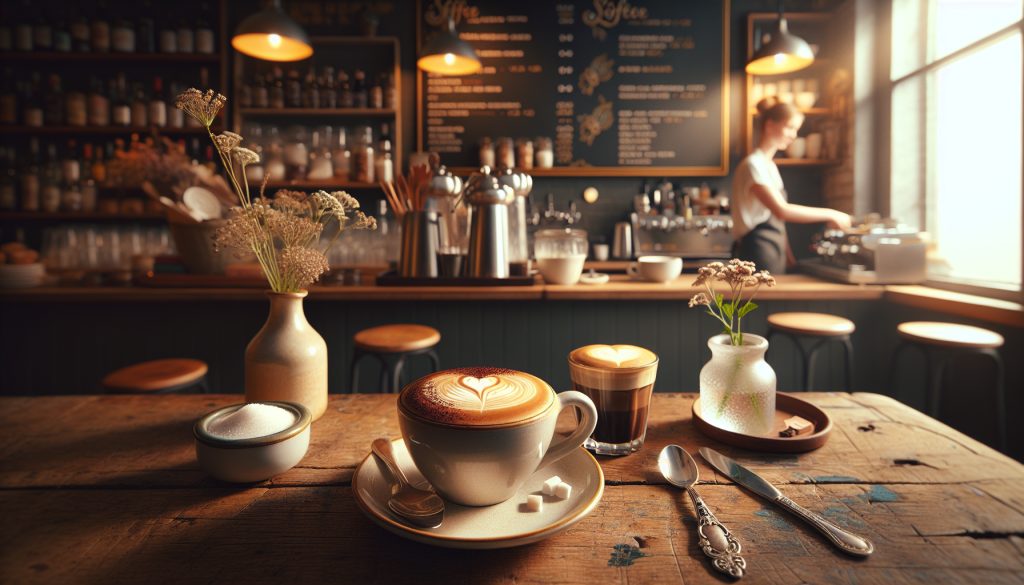
In the world of espresso drinks, the choices can be overwhelming, but among the most beloved are the cappuccino and macchiato. Both beverages have their passionate advocates and distinctive taste profiles, making them staples in coffee culture. Whether you're a seasoned coffee enthusiast or new to the café scene, understanding the nuances of these popular drinks can enhance your coffee experience.
- What exactly is a cappuccino?
- What exactly is a latte?
- What exactly is a macchiato?
- What's the difference: cappuccino vs. latte?
- What's the difference: cappuccino vs. macchiato?
- What's the difference: latte vs. macchiato?
- Exploring the Cappuccino and Macchiato Experience
- Related Questions on the Cappuccino and Macchiato Debate
What exactly is a cappuccino?
A cappuccino is an Italian coffee drink that has become a morning favorite around the world. It consists of three equal parts: one-third espresso, one-third steamed milk, and one-third milk foam. This combination creates a rich and creamy texture with a bold espresso flavor that is both invigorating and comforting.
Traditionally served in a 6-ounce cup, the cappuccino offers a balanced flavor profile. The layer of foam on top not only adds to the aesthetics but also helps retain the heat of the drink, making it a perfect choice for those who enjoy savoring their coffee.
The art of making a perfect cappuccino involves precise technique, especially when it comes to frothing the milk to achieve the desired creamy consistency and creating the iconic foam that cappuccino lovers know and love.
What exactly is a latte?
A latte, or caffè latte, is another popular espresso-based drink, favored for its milder flavor and creamier texture compared to a cappuccino. It consists of one shot of espresso and a larger amount of steamed milk, usually around 8 to 12 ounces, with a light layer of foam on top.
Lattes are often the canvas for barista art, where skilled coffee makers create intricate designs with the milk foam. The higher ratio of milk to espresso softens the coffee's intensity, making it an ideal choice for those who prefer a less robust flavor.
With its smooth and velvety texture, a latte can be enjoyed any time of the day and is particularly popular in the United States where it has inspired a variety of flavored versions using syrups and spices.
What exactly is a macchiato?
The word "macchiato" means "stained" or "spotted" in Italian, and that's exactly what a macchiato is – an espresso "stained" with a small amount of milk. The traditional version, known as an espresso macchiato, consists of a shot of espresso with a dollop of foamed milk on top.
This drink is for those who enjoy the full-bodied flavor of espresso with just a hint of creaminess from the milk. It's a strong, concentrated drink that offers a bold coffee taste with just a touch of sweetness and texture from the milk.
There's also a variation called the latte macchiato, which is mostly steamed milk "stained" with a shot of espresso. It's important not to confuse the two, as their taste and presentation are quite different despite the similar names.
What's the difference: cappuccino vs. latte?
The main difference between a cappuccino and a latte lies in the ratio of espresso to steamed milk. A cappuccino has equal parts of espresso, milk, and foam, which results in a stronger espresso flavor and a lighter texture. On the other hand, a latte has more steamed milk and less foam, leading to a creamier beverage with a subtler coffee taste.
The choice between a cappuccino and a latte often comes down to personal preference. If you prefer a richer espresso flavor with a frothy texture, a cappuccino may be your drink of choice. Conversely, if you enjoy a smoother, milkier coffee, you might opt for a latte.
Regardless of your choice, both are delightful coffee experiences that offer a warm and satisfying way to start the day or take a break in the afternoon.
What's the difference: cappuccino vs. macchiato?
When comparing a cappuccino to a macchiato, the most noticeable difference is the milk content. A cappuccino is a balanced blend of espresso, steamed milk, and foam, while a macchiato is primarily an espresso with just a touch of milk.
The cappuccino offers a milder taste and a creamy texture, while the macchiato provides a much stronger espresso flavor with minimal interference from milk. The choice between these two depends largely on your coffee preferences and whether you're in the mood for something bold or slightly mellow.
Additionally, the cappuccino is typically served in larger cups and is a more filling option, whereas the macchiato is often enjoyed as a quick, intense coffee hit.
What's the difference: latte vs. macchiato?
The latte and macchiato are at opposite ends of the spectrum when it comes to milk content in espresso drinks. A latte is characterized by its creamy texture and large amount of milk, which makes it a much milder coffee drink. In contrast, the macchiato features the robust taste of espresso with just a hint of milk.
For those who appreciate the artistry of coffee, a latte provides a great opportunity for beautiful latte art, while the macchiato is more about the pure taste and strength of the espresso.
Another aspect to consider is the time of day; a latte might be more suitable for a leisurely morning or afternoon, while a macchiato could be the perfect pick-me-up for a busy day.
As we delve deeper into the world of coffee, we find a video that showcases the art of making these beloved beverages:
Exploring the Cappuccino and Macchiato Experience
When deciding between a cappuccino and macchiato, consider not only the taste but also the caffeine content and nutrition. Cappuccinos generally have more caffeine due to their larger size, while macchiatos offer a concentrated coffee flavor with potentially less caffeine.
The nutritional value also varies; a cappuccino may have more calories due to the added milk, whereas a macchiato is a lighter option. It's essential to account for any additional syrups or toppings, as they can significantly alter the calorie content of your drink.
Ultimately, the preparation of these drinks is an art form, with baristas around the world putting their own spin on these classic beverages. From the choice of beans to the temperature of the milk, each element plays a crucial role in the final flavor and quality of your coffee.
What changes between cappuccino and macchiato?
Between a cappuccino and macchiato, the primary change is the milk quantity and presentation. A cappuccino is a balanced blend with a significant amount of milk foam, while a macchiato is essentially an espresso with a small amount of milk, either spooned over the top or mixed in.
Another difference lies in the drinking experience. A cappuccino provides a more leisurely sipping experience with a rich texture, whereas a macchiato is typically enjoyed quickly, offering a burst of intense coffee flavor.
What is the difference between a caffe macchiato and a caffe schiumato?
A caffe macchiato focuses on the espresso, with a small amount of milk foam added, while a caffe schiumato likely refers to a drink with more frothed milk, making it closer to a cappuccino than a traditional macchiato.
The key is the espresso-to-milk ratio, with the macchiato offering a stronger coffee flavor and the schiumato providing a smoother, milkier drink experience.
What is the difference between a caffe latte and a latte macchiato?
The difference between these two drinks lies in their construction. In a caffe latte, the espresso is added before the milk, making it a coffee-focused beverage. A latte macchiato, on the other hand, starts with milk and has the espresso added last, creating a layered effect and a milk-forward taste.
Additionally, a latte macchiato typically has more steamed milk and a softer espresso flavor compared to a caffe latte.
What's the difference between latte and cappuccino?
The main difference is the milk-to-espresso ratio. A latte has more steamed milk and a thin layer of foam, resulting in a creamier and milkier taste. A cappuccino has equal parts espresso, steamed milk, and foam, creating a stronger espresso flavor and a frothier texture.
Choosing between a latte and cappuccino often depends on your preference for milkiness or coffee strength, and the kind of texture you enjoy in a coffee drink.
When considering your next coffee order, think about what you're in the mood for. Do you want a creamy drink that's smooth and comforting, or are you looking for an invigorating espresso kick with just a hint of milk? Understanding the differences in taste, preparation, caffeine content, and nutrition between a cappuccino and macchiato can help you make the perfect choice for your palate. Whether you choose the frothy delight of a cappuccino or the bold simplicity of a macchiato, each coffee has its unique charm and place in the diverse world of espresso drinks.
Leave a Reply
Related Post