
Latte vs Mocha: Exploring the Key Differences
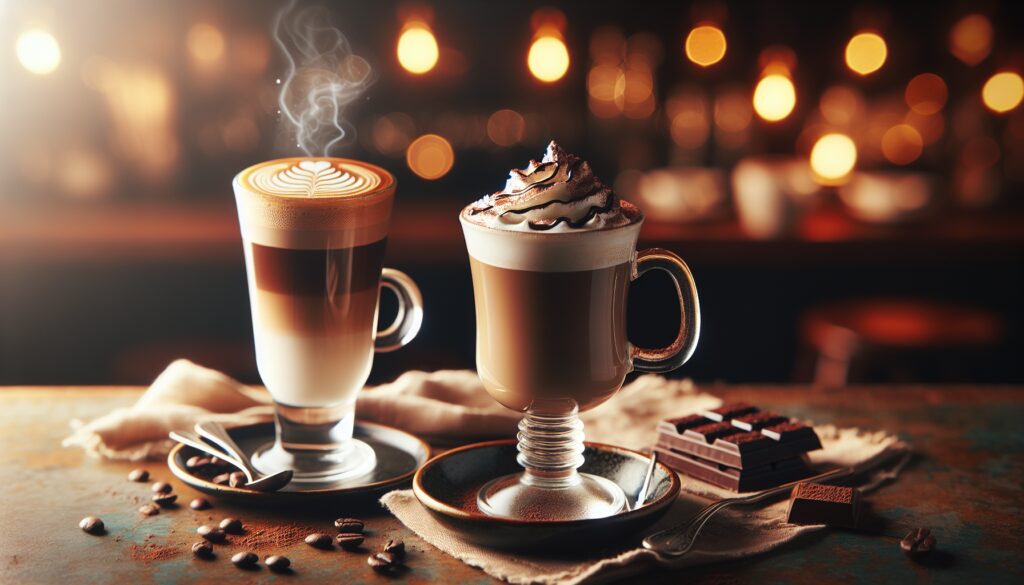
When you step into the aromatic world of coffee shops, two popular drinks often stand out: the latte and the mocha. Both beverages boast legions of fans, but what exactly sets them apart? In this exploration of latte vs mocha, we'll dive into their unique components, caloric content, and how they fit into the broader coffee culture. So, whether you're a seasoned barista or a curious coffee enthusiast, get ready to discover which drink might become your new favorite.
At places like the Dilettante Mocha Café, you can indulge in a creamy latte or a chocolate-rich mocha, each offering a distinct coffee experience. From the classic simplicity of espresso and steamed milk to the sweet allure of added chocolate, there's a world of taste and customization awaiting.
- What are the main ingredients in a latte?
- How is a mocha different from a latte?
- Can you customize a latte or mocha at cafés?
- What are the caloric differences between these drinks?
- Which coffee drink should you choose based on taste?
- How do milk alternatives affect your coffee?
- Related questions on latte vs mocha
What are the main ingredients in a latte?
At its core, a latte is a beautiful blend of two key components: espresso and steamed milk. The drink starts with a shot of espresso, providing that robust coffee base. Then, a generous amount of steamed milk is poured in, dialing back the intensity of the espresso and creating a smooth, velvety texture. A small layer of microfoam tops off the drink, adding a silky finish.
Many enjoy their lattes with a twist, incorporating flavored syrups like vanilla or caramel, potentially transforming it into a caramel latte. This versatility makes lattes a canvas for creativity and personal expression within the coffee realm.
Whether you're cozying up in a café or crafting your brew at home, the latte offers a comforting balance that's hard to resist. Its simplicity is its strength, allowing the quality of the espresso to shine through, complemented by the creamy texture of milk.
How is a mocha different from a latte?
While a mocha shares the same foundation as a latte—espresso and steamed milk—it's the addition of chocolate syrup or powder that truly defines it. This infusion of chocolate creates a sweet, rich flavor profile that's distinctly different from the more straightforward latte.
A mocha isn't merely a latte with chocolate; it's an experience in its own right, often finished with a sprinkle of cocoa powder or a swirl of whipped cream to enhance its decadence. The interaction between the bold espresso and the smooth chocolate offers a sensory journey that can feel more indulgent than its latte counterpart.
For those who love a touch of sweetness with their caffeine kick, the mocha stands out as a treat that satisfies both coffee cravings and chocolate desires, making it a favorite in the coffee culture.
Can you customize a latte or mocha at cafés?
Indeed, the beauty of both lattes and mochas lies in their customizability. Most cafés offer a variety of options to tailor these drinks to your liking. You can choose from different types of milk, be it whole, skim, or an array of plant-based alternatives.
Customization doesn't end with milk choices. You can also select from a range of chocolate blends for your mocha or add a dash of flavored syrups to either drink. Some coffee aficionados even experiment with adding spices, like cinnamon or nutmeg, to give their beverage an aromatic twist.
Ryan, a coffee enthusiast, suggests trying a "spice chai latte" for those looking for something unique. This drink incorporates the flavorful spices commonly found in chai tea into the classic latte framework, resulting in a fusion that's both exotic and familiar.
Whether you're at the Dilettante Mocha Café or your local coffee spot, don't hesitate to ask your barista about the different ways you can make your latte or mocha your own.
What are the caloric differences between these drinks?
When considering the caloric comparison between latte and mocha, remember that the inclusion of chocolate in mochas typically results in a higher calorie count. A standard mocha can contain more sugar as well, especially if additional sweeteners or whipped cream are added.
Lattes, in their basic form of espresso and steamed milk, tend to be lower in calories. However, adding flavored syrups or opting for a higher-fat milk can increase their calorie content. It's all about the choices you make, and many cafés provide nutritional information to help guide those decisions.
For those mindful of their calorie intake, a plain latte might be the way to go. However, if you're looking to indulge, a mocha could be your splurge of choice.
Which coffee drink should you choose based on taste?
Your personal coffee drink preferences will largely dictate whether a latte or a mocha is the right choice for you. If you prefer a drink that highlights the espresso's flavor with a creamy texture, a latte will likely suit you best.
On the other hand, if you have a sweet tooth and enjoy chocolate, a mocha could be your ideal coffee treat. It's all about the balance of flavors you're seeking in your coffee experience. Don't be afraid to try each one and find your preference.
Remember, choosing between latte and mocha flavors isn't just about taste—it's also about the moment and the mood. A morning pick-me-up might call for the straightforward warmth of a latte, while a chilly afternoon could be perfectly complemented by the comforting richness of a mocha.
How do milk alternatives affect your coffee?
In recent years, the rise of milk alternatives has added a new dimension to customizing coffee drinks like lattes and mochas. Options like almond, soy, oat, and coconut milk can alter the flavor, texture, and nutritional profile of your beverage.
Some milk alternatives may offer a nuttier or sweeter taste, while others can froth up differently, affecting the drink's overall mouthfeel. It's worth experimenting with these alternatives to find which complements your coffee the best.
For those with dietary restrictions or preferences, these best milk alternatives for coffee drinks can be a game-changer, allowing for a more inclusive and varied coffee-drinking experience.
As we delve deeper into the intricacies of latte vs mocha, let's pause to appreciate the art of coffee-making with a visual treat. The following video, titled "What's the Difference? Latte vs Mocha," offers insights into the visual and textural nuances that set these two favorites apart.
Which is stronger, latte or mocha?
Although a mocha may have a more pronounced taste due to the chocolate, the actual caffeine content is comparable to a latte if the same amount of espresso is used. The difference in perceived strength often comes down to the latte having a higher milk ratio, which can soften the espresso's boldness.
It's worth noting that strength can be subjective and influenced by individual taste buds. Some might find the rich chocolate flavor of a mocha to be more intense, while others may consider the espresso-forward latte to be the stronger choice.
Is a mocha just a latte with chocolate?
At its simplest, yes, a mocha is akin to a latte with the delightful addition of chocolate. The chocolate used in a mocha transforms the drink into a sweet delight, setting it apart from the more milk-focused latte.
However, it's not just about adding chocolate; it's how the flavors meld together to create a distinct beverage that stands out in the coffee landscape. The mocha is a testament to how a single ingredient can redefine an entire drink.
Are mochas healthier than lattes?
The healthiness of mochas compared to lattes depends on the specific ingredients and their quantities. Generally, mochas tend to be higher in calories and sugar, which might not align with a healthier diet. On the other hand, lattes, chiefly composed of espresso and steamed milk, are typically lower in calories.
For health-conscious individuals, it's crucial to consider the additions to your mocha or latte, such as syrups and whipped cream, as these can significantly impact the drink's nutritional value.
What is the difference between latte and mocha and espresso?
The distinctions between a latte, a mocha, and an espresso revolve around their ingredients and consistency. Lattes and mochas both involve diluting espresso with milk, yet mochas take it a step further with the inclusion of chocolate. In contrast, espresso is the concentrated foundation of both drinks, served pure and robust.
Choosing between these options depends on your preferences for milkiness, sweetness, and the intensity of the coffee flavor. Each drink offers a unique way to enjoy the beloved espresso in differing forms.
As we've navigated the nuances of latte vs mocha, it's clear that both beverages have their own charm and a place in the diverse world of coffee. Whether you prefer the pure coffee flavor of a latte or the chocolatey indulgence of a mocha, there's no wrong choice—only the perfect sip for the moment you're in.
Leave a Reply
Related Post