
Unlocking the Secret to Delicious Black Coffee: How to Make It Taste Good
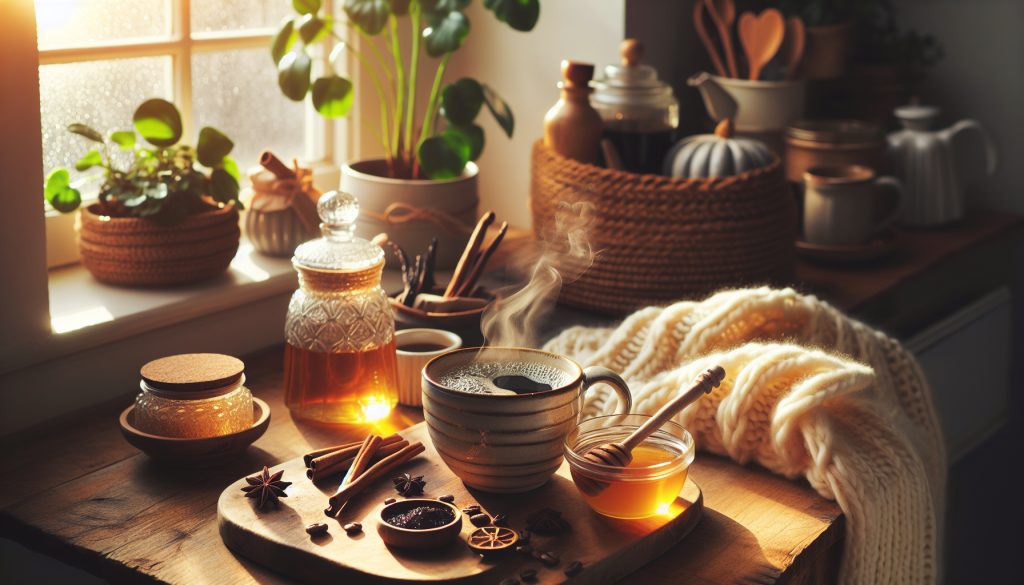
If you're among the multitude who love the boldness of black coffee but not the bitter bite, you're not alone. Finding ways to make black coffee taste good can transform your morning ritual into a delightful experience. Let's embark on a journey to discover how your daily brew can reach new heights of flavor without compromising on health or adding unnecessary calories.
Whether you're looking to enjoy black coffee for its health benefits, like aiding weight loss, or simply seeking to refine your palate, this guide will provide you with expert tips and methods to enhance its taste. From selecting quality beans to mastering the brewing process, we'll explore how to elevate the humble cup of black coffee into a sensory delight.
- The Foundation: Quality Beans
- Understanding Roast Levels
- Grinding Matters
- Brewing Methods and Techniques
- Brew Time: Finding the Sweet Spot
- Water Quality and Temperature
- How to Make Black Coffee Taste Good Without Sugar
- How to Make Black Coffee Taste Good for Weight Loss
- Unlocking the Flavors of Black Coffee: Further Questions
The Foundation: Quality Beans
To improve the taste of black coffee, it all begins with the choice of beans. Coffee connoisseurs agree that the foundation of a great cup lies in using high-quality, freshly roasted beans. Premium coffee brands pride themselves on sourcing the best beans, offering a range of flavor profiles to suit any preference.
Investing in premium brands not only ensures superior taste but also supports responsible sourcing practices. Look for brands that tout their ethical and sustainable sourcing, like Foxtail Coffee Roasters and Counter Culture coffee, which often contribute to a more refined taste profile.
Keep in mind that the freshest beans are usually found at local roasteries or specialty coffee shops. Buying beans that have been roasted within the past two weeks and storing them properly will keep your coffee tasting its best.
Lastly, consider experimenting with various single-origin coffees or blends to discover which flavors and aroma notes you prefer. Each bean tells a story of its origin, and exploring them can be a fascinating journey.
Understanding Roast Levels
Roast levels significantly influence the taste of your coffee. The spectrum ranges from light to dark, each giving your coffee a distinctive character. Light roasts are known for their brighter acidity and more nuanced flavors, often with floral or fruity notes.
Medium roasts strike a balance, offering a fuller body than light roasts with a more rounded flavor. Chocolate or nutty notes are typical in this roast range. Dark roasts present a bold, smoky flavor, often with a bitter finish that some coffee drinkers love.
When aiming for a good-tasting black coffee, many prefer a medium to light roast. These roasts tend to have less bitterness and reveal the inherent flavors of the coffee bean.
Understanding the roast profiles can help you select a coffee that suits your taste preferences. Remember, there's no one-size-fits-all answer – it's all about your personal palate.
Grinding Matters
The grind size of your coffee beans is crucial to extracting the perfect flavor. A consistent, even grind can make a substantial difference to your cup's quality. For black coffee, most brewing methods require a medium to fine grind, but this can vary.
Investing in a good quality burr grinder will allow for precise control over the grind size, ensuring a uniform consistency. Avoid using blade grinders if possible, as they can produce uneven grounds and negatively impact the flavor of your coffee.
Grind your beans fresh each time you brew. Pre-ground coffee may seem convenient, but it can stale quickly, leading to a less flavorful cup.
Experimenting with grind size can also help fine-tune the taste. If your coffee is too bitter, try a coarser grind. If it's too sour, go finer.
Brewing Methods and Techniques
Different brewing methods can extract different flavor profiles from the same coffee. The pour-over method, for instance, typically yields a clean and aromatic cup, while a French press can produce a richer, fuller-bodied coffee.
Aeropress has gained popularity for its versatility and the ability to produce a smooth and strong cup of black coffee. Espresso, although not always consumed black, is a concentrated brew that can be enjoyed for its intense flavor and creamy body.
Each brewing method requires its own technique and parameters, such as grind size, water temperature, and brew time. Mastery of these techniques can elevate the quality of your black coffee.
Consistency is key when brewing. Keep your measurements, timing, and technique consistent to replicate successful brews or to tweak variables systematically for improvement.
Brew Time: Finding the Sweet Spot
Brew time is a critical aspect of coffee making. It affects how much flavor is extracted from the coffee grounds. Depending on the brewing method, the ideal brew time can vary significantly.
For most methods, a brew time between 3 to 5 minutes is recommended. However, this is not a strict rule and should be adjusted according to taste preference and the coffee's characteristics.
Experimenting with brew time can help you find the sweet spot where your black coffee is neither under-extracted (sour, weak) nor over-extracted (bitter, harsh).
Using a timer can assist in ensuring that your brew time is precise. Consistent timing will lead to more consistent results, allowing you to enjoy a delicious cup of black coffee every time.
Water Quality and Temperature
The water you use to brew your coffee can be just as important as the coffee itself. Water that is too hard or has a strong taste or odor can ruin an otherwise perfect cup. Use filtered or bottled water if your tap water is not ideal.
Temperature also plays a pivotal role. Water that is too hot can over-extract the coffee, making it bitter, while water that is too cool may under-extract, leading to a flat, uninspiring cup. The optimal temperature for brewing coffee is usually between 195°F to 205°F (90°C to 96°C).
Investing in a variable temperature kettle can give you precise control over the water temperature, ensuring that you brew your coffee at just the right heat every time.
Remember, the quality of the water and its temperature can make or break your black coffee experience, so don't overlook this vital element.
How to Make Black Coffee Taste Good Without Sugar
Many people add sugar to their coffee to counteract bitterness, but there are healthier ways to improve its taste. Consider using spices like cinnamon or nutmeg. These can add a delightful complexity to your coffee without the need for sugar.
Another method is to add a small pinch of salt to the coffee grounds before brewing. This can help neutralize bitterness and bring out the natural sweetness of the coffee itself.
Opting for a light roast can also reduce the need for sugar as they tend to be less bitter and have more vibrant flavor notes.
Finally, ensure your brewing equipment is clean as old coffee residue can impart a bitter taste to your brew.
How to Make Black Coffee Taste Good for Weight Loss
For those looking to enjoy black coffee as part of a weight-loss diet, it's great to know that black coffee is low in calories. To keep it that way, avoid adding sugars, syrups, or creamers.
Adding healthy fats such as MCT oil or a dash of cinnamon can not only enhance the flavor but also provide additional health benefits that may support weight loss efforts.
Choosing the right coffee roast and brewing method, as previously discussed, can also help you enjoy black coffee without the need for calorie-laden additives.
Drinking black coffee before workouts can provide a caffeine boost that may improve performance and potentially aid in fat burning.
Unlocking the Flavors of Black Coffee: Further Questions
What Can You Add to Black Coffee to Make It Taste Better?
There are several natural additives that can enhance the flavor of black coffee. Spices like cinnamon, cardamom, or vanilla can be added directly to the grounds before brewing. A slice of orange peel or a small amount of unsweetened cocoa powder can also introduce interesting new flavors to your cup.
Avoid using sugar or artificial sweeteners if you're mindful of health and calories. Instead, focus on the quality of your coffee and the brewing process to naturally improve taste.
How to Make a Delicious Black Coffee?
To make a delicious black coffee, start with quality beans and the right grind. Use clean, filtered water at the optimal temperature and be precise with your brewing method of choice. Adjust variables like grind size, water temperature, and brew time according to your taste preferences. Experimentation is key to achieving that perfect cup.
What Is the Best Way to Drink Black Coffee?
The best way to drink black coffee is to sip it slowly to appreciate its full range of flavors. Use a preheated cup to maintain the coffee's temperature, and consider the context, such as enjoying your coffee in a calm environment or pairing it with a complementary food item.
How Do You Start Liking the Taste of Black Coffee?
To start enjoying the taste of black coffee, begin with a mild roast and gradually work your way to stronger blends. Acclimate your palate by reducing sweeteners over time and exploring different brewing methods to find the style that best suits you.
Here's a helpful video that offers additional insight into making your black coffee taste better:
In conclusion, there are many ways to make black coffee taste good that cater to a range of preferences and health considerations. By paying attention to the quality of your beans, the roast level, grind size, and brewing techniques, you can enjoy a cup of black coffee that is both satisfying and beneficial to your health. Remember, experimentation is the spice of life—and coffee. Find your perfect brew and savor the experience.
Leave a Reply
Related Post