
Exploring the best coffee blend for your morning cup
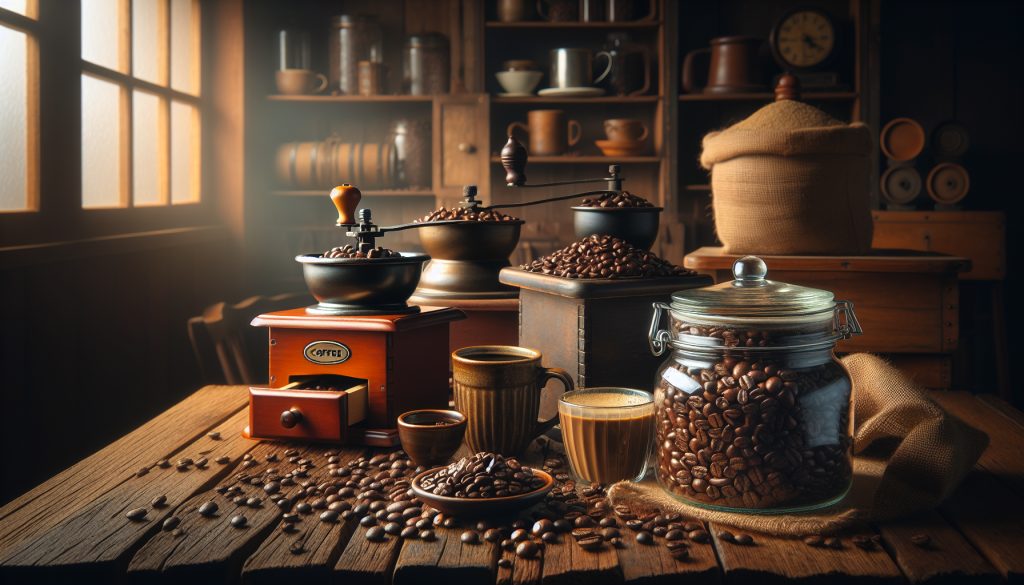
Discovering the perfect coffee blend can be an adventure as rich and complex as the drink itself. Coffee aficionados know that there's more to your morning cup than just a caffeine kick; it's about savoring the symphony of flavors that can only be achieved through expert blending. Whether you indulge in the ritual of brewing at home or seek out specialty coffee shops, understanding the art behind coffee blends will enhance your appreciation for this beloved beverage.
In this guide, we'll explore the essence of coffee blends, unravel the secrets to creating your own, and take a journey through the varieties that have become favorites around the globe. From the defining differences between blends and single-origin coffees to the revered recipes of iconic coffeehouses, you'll gain the knowledge to curate the ultimate coffee experience at home.
- What is a coffee blend?
- Popular coffee blends from around the world
- How to make a good coffee blend at home
- The difference between coffee blends and single-origin coffee
- Best coffee blend for your morning cup
- Exploring famous coffee blends from Starbucks
- Related Questions on Crafting the Perfect Coffee Blend
What is a coffee blend?
At its core, a coffee blend is a combination of beans from different origins, meticulously mixed to create a balanced flavor profile. Master roasters experiment with various ratios and roasts to achieve a specific taste, aroma, and body. The goal is to enhance the subtle characteristics of each bean, providing a consistent flavor that can't be found in single-origin coffees.
Blends can offer the best of all worlds, capturing the nutty, smooth notes from one region and the fruity, bright accents from another. The process is both a science and an art, requiring knowledge of how different beans react when roasted and combined.
Not only do blends cater to a wider audience by smoothing out the extremes of single origins, but they also provide an opportunity for roasters to showcase their creativity. The end result is a harmonious cup that stands the test of time, with flavors designed to be savored any time of day.
Popular coffee blends from around the world
From the historic Espresso blends of Italy to the innovative concoctions of modern American roasters, there are a multitude of famous blends that have captured the hearts of coffee lovers worldwide. These are not just random assortments of beans; each blend tells a story of its heritage and the local preferences that shaped it.
- Espresso blends often combine beans from Asia, Africa, and Latin America to deliver the bold, rich taste that stands up to the espresso-making process.
- French roast blends, characterized by their dark, smoky flavor, often feature a mix of beans that can withstand the intense roasting without losing their depth.
- Mocha-Java, one of the oldest recorded coffee blends, combines the chocolatey beans from Yemen's Mocha port with the bright, winey beans of Indonesia's Java island.
These blends not only offer a consistent flavor but also represent the cultural palate of their regions. By trying different blends, you can take a sensory journey around the globe with just a cup of coffee.
How to make a good coffee blend at home
Creating your own coffee blend at home is an exciting way to become intimately acquainted with your coffee preferences. The process begins with selecting high-quality green beans. Opt for beans that complement one another, considering factors like acidity, body, and flavor notes.
Next, you'll want to roast the beans, either together or separately. Roasting them separately allows for more control, ensuring each bean is roasted to its optimal level before blending. Once roasted, experiment with different ratios until you find the combination that delights your palate.
Remember, the best coffee blend is subjective. It should cater to your taste and the way you enjoy your coffee, whether it's black, with milk, or brewed using a particular method. Trial and error are part of the fun, so don’t be afraid to get creative with your coffee alchemy.
The difference between coffee blends and single-origin coffee
While coffee blends consist of beans from multiple locations, single-origin coffee is sourced from one specific area, farm, or region. This distinction is crucial for those who prefer a particular taste or who like to experience the unique characteristics imparted by different growing environments.
Single-origin coffees are celebrated for their distinct flavors, which can range from floral to fruity to earthy, depending on the soil, climate, and elevation where the beans were grown. These coffees can vary from season to season, offering a snapshot of the terroir at the time of harvest.
Blends, on the other hand, aim for consistency. Roasters create blends to maintain a uniform flavor profile, regardless of natural variables that affect crop quality. By combining beans from various origins, they can balance out the inconsistencies and deliver a reliable taste all year round.
Best coffee blend for your morning cup
Your morning cup of coffee sets the tone for the rest of your day, so choosing the right coffee blend is paramount. Consider a blend with a medium roast to ease into the day with a smooth, well-rounded flavor that's not too overpowering.
A blend featuring Latin American beans, known for their clean, mild flavor profile, combined with the rich, winey attributes of African beans, can provide a delightful start to your morning. You’ll want to look for a blend that has a good balance of acidity and body to awaken the senses without overwhelming them.
Ultimately, the best morning blend is one that resonates with your personal taste. Whether you prefer a bold, dark roast to kickstart your day or a softer, citrusy blend to gently rouse you, there's a perfect coffee blend out there for you.
Exploring famous coffee blends from Starbucks
Starbucks, a name synonymous with coffee, has played a significant role in popularizing coffee blends. Their House Blend, with its balanced taste and hint of cocoa, is a testament to the power of blending. Starbucks meticulously sources 100% arabica coffee beans from Latin America to create this crowd-pleaser.
The dark chestnut roast of the Pike Place® Blend is another Starbucks staple, offering a smooth finish with toffee notes that appeal to a wide array of coffee drinkers. Starbucks shows that a successful blend is about finding harmony between beans and roast levels to achieve a signature flavor that stands out in a saturated market.
Starbucks’ blends have become benchmarks in the industry, illustrating how a well-crafted blend can become a beloved part of people's daily rituals. Their success is built on consistency, quality, and the ability to cater to the palates of coffee enthusiasts around the world.
As we delve into related inquiries, watch this insightful video on the craft behind making the perfect coffee blend:
What is a coffee blend?
A coffee blend is a carefully selected mix of coffee beans from different origins. It is crafted to create a unique flavor profile that is not only delicious but also consistent from batch to batch. The art of blending allows roasters to balance flavors, highlight specific characteristics, and produce a coffee that is greater than the sum of its parts.
Blending requires a deep understanding of how different beans and roasts interact with each other. It is a process that aims to offer a harmonious cup with layers of flavor that single-origin coffees may not provide.
How to make a good coffee blend?
To make a good coffee blend, start by choosing beans that complement each other and decide whether you want a light, medium, or dark roast. Roast the beans either together or separately, depending on the level of control you desire. Then, experiment by mixing different ratios of beans until you find a combination that suits your taste.
Good coffee blending also involves a lot of tasting. Sample your blends regularly and take notes on the flavors, aromas, and body of each trial. This will help you refine your blend over time.
What makes the perfect blend of coffee?
The perfect blend of coffee is ultimately subjective, as it depends on individual taste preferences. However, a blend that offers complexity, balance, and consistency is often considered ideal. It should highlight the best qualities of the beans used, without any single origin overpowering the others.
Consistency is key to a perfect blend, as it should deliver the same experience with every cup. Achieving this requires meticulous attention to the selection, roasting, and pairing of beans.
What's the difference in coffee blends?
The difference in coffee blends lies in the choice of beans, the roast level, and the ratio in which they are combined. Each blend is designed to evoke a particular flavor profile, from bright and fruity to rich and chocolaty. The roaster’s skill in selecting and balancing these elements dictates the uniqueness and appeal of the blend.
Differences can also stem from the intended use of the blend, such as whether it is designed for espresso, drip coffee, or another brewing method. This will influence the roast and grind appropriate for the blend.
In summary, exploring the world of coffee blends is a journey through a landscape of flavor, tradition, and craftsmanship. Whether you're sipping on a classic like the Mocha-Java or experimenting with your own home blend, each cup offers an opportunity to experience the diversity and richness of coffee. Embrace the art of coffee blending and discover the perfect coffee blend that speaks to your soul.
Leave a Reply
Related Post